This comprehensive guide is designed to provide you with an exhaustive, practical roadmap to safeguarding your property. By implementing these proactive DIY strategies, understanding when to call in specialized assistance, and learning how to correctly manage moisture-prone areas, you can build an impenetrable shield around your home. Investing your time today into understanding these vulnerabilities will save you from the immense financial and emotional stress of an emergency restoration project tomorrow.
1. Proactive Maintenance for Household Machinery
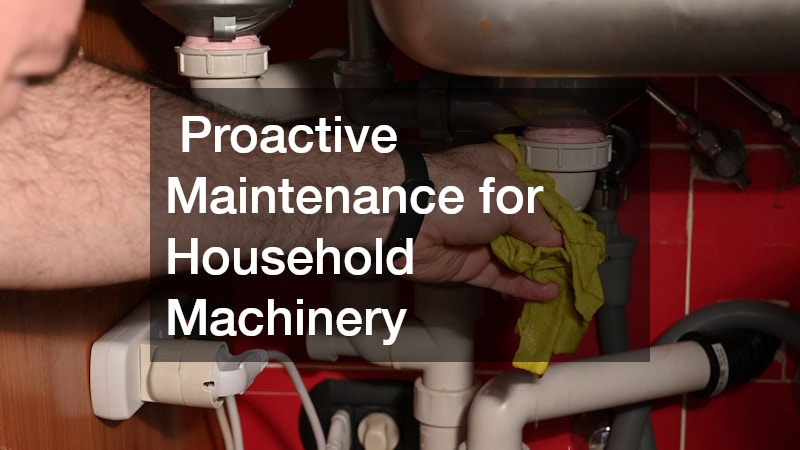
The modern home relies heavily on major appliances that handle hundreds of gallons of water each week. Washing machines, dishwashers, and refrigerators equipped with internal ice makers or water dispensers are incredibly convenient, but they represent a constant risk for localized interior flooding. Over time, the internal components of these machines wear down due to constant pressure, chemical exposure from detergents, and natural mechanical fatigue, making regular inspections a necessity.
To prevent sudden failures, homeowners must pay close attention to the supply lines and internal seals of their heavy machinery. Rubber hoses connecting washing machines to the main water supply are notorious for dry-rotting, cracking, and bursting under constant municipal water pressure. Upgrading these factory-standard lines to braided stainless steel hoses significantly reduces the risk of a catastrophic rupture. Furthermore, checking the door gaskets of your dishwasher and the drain lines of your refrigerator’s defrost cycle ensures that small drips do not quietly rot the subfloor beneath them.
When a major appliance begins to show signs of distress, such as puddling underneath the unit, unusual cycling patterns, or a sudden drop in operating efficiency, immediate action is required. While many homeowners excel at basic cosmetic upkeep, complex internal mechanical issues require specialized knowledge. In these instances, investing in professional appliance repair is the safest way to ensure that hidden internal valves, pumps, and structural seals are restored to factory standards before a major leak occurs.
2. Safeguarding Private Utilities and Plumbing Infrastructure
The heart of a private residential water network is the pressure tank, which maintains a steady reserve of pressurized water so your plumbing doesn’t experience violent fluctuations. Homeowners must regularly check the pressure gauge and the air bladder within the tank to ensure the system isn’t short-cycling. Short-cycling occurs when the pump turns on and off too rapidly, which creates immense thermal and mechanical stress across your entire plumbing grid, increasing the likelihood of a blown pipe joint inside your walls.
Equally critical is the mechanical unit responsible for drawing the water up from the earth and pushing it into your home’s holding tanks. A malfunctioning, aging, or rusted water well pump can lock up, lose its prime, or experience electrical faults that lead to sudden pressure drops or unexpected surges. Regularly testing the electrical draw of the pump, clearing debris from the well cap, and replacing the mechanical unit at the end of its operational lifespan prevents catastrophic plumbing failures that could flood your utility room or basement.
3. Managing Environmental Hazards and Air Quality
When water does manage to breach your home’s defenses, the clock begins ticking immediately. Clean water from a broken pipe or a failing appliance does not stay clean for long; within forty-eight hours, stagnant moisture interacting with organic building materials like drywall, carpet padding, and wood framing creates an ideal breeding ground for biological contaminants. If left unaddressed, these contaminants compromise the structural strength of your home and ruin indoor air quality.
If a leak goes unnoticed for weeks, you will likely be faced with a significant biological hazard that requires aggressive remediation. Eliminating toxic mold demands a strict protocol of containment, negative air pressure filtration, and specialized antimicrobial treatments to ensure that microscopic spores do not spread to unaffected rooms during the cleanup process. For small areas under ten square feet, a homeowner can often handle the scrubbing and drying independently, but extensive growth requires professional intervention to safeguard the health of the household.
4. Selecting Resilient Materials for Structural Reconstruction

Once a water intrusion event has been successfully mitigated and the affected area is completely dry, the focus shifts toward rebuilding. The materials you choose during the reconstruction phase will dictate how well your home handles future moisture exposure. Rebuilding with the exact same vulnerable materials that failed previously is a missed opportunity to upgrade your home’s structural resilience and long-term durability.
To explore the latest in moisture-resistant building technology, homeowners should consult with experts at a dedicated flooring store to evaluate advanced material options. Modern luxury vinyl plank, porcelain tile, and specialized engineered hardwoods offer incredible moisture barriers that prevent liquid from penetrating into the subfloor below. Gathering samples, checking waterproof warranties, and understanding the specific underlayment requirements of these advanced materials will ensure your new floor looks beautiful while acting as a functional shield against future spills.
5. Maintaining the Integrity of Overhead Barriers
Your roof is your home’s primary shield against the elements, bearing the brunt of torrential downpours, heavy snow accumulation, and intense ultraviolet radiation day after day. Because a roof is completely exposed, it undergoes constant thermal expansion and contraction, which can slowly degrade shingles, loosen flashing, and compromise the seals around ventilation pipes. A minor structural failure on your roofline can allow water to enter your attic quietly, rotting your rafters long before a ceiling stain appears in your bedroom.
Executing a timely roof repair is a highly effective way to extend the lifespan of your roof and prevent interior water disasters. Replacing a few damaged shingles, applying high-grade roofing cement to exposed nail heads, and resealing the rubber boots around plumbing vent stacks are straightforward DIY tasks that yield massive protective benefits. By addressing these minor vulnerabilities immediately, you prevent water from saturating your attic insulation, which destroys its thermal efficiency and creates a perfect environment for structural wood rot.
6. Managing Specialized Internal Safety Systems
While most water damage discussions revolve around plumbing leaks and weather events, modern residential properties feature specialized systems that introduce unique moisture management considerations. Many contemporary homes are built with integrated indoor fire suppression systems, which utilize a network of pressurized pipes running through ceilings and walls to suppress fires automatically. While these systems are invaluable for life safety, they require deliberate maintenance to ensure they do not become an accidental source of water damage.
Residential fire sprinkler systems are designed to be incredibly durable, but they are susceptible to mechanical impact, extreme freezing temperatures, and improper modification by well-meaning DIYers. If a sprinkler head is accidentally struck while moving furniture, or if an uninsulated attic pipe freezes during a severe winter storm, the system can rupture, discharging dozens of gallons of pressurized water per minute into your living spaces. Understanding how these systems operate is the key to preventing a catastrophic accidental discharge.
Homeowners can drastically reduce their risk by investing time into educating themselves on the mechanical layout of their fire suppression system. Reviewing an instructional fire sprinkler training video provided by system manufacturers or safety organizations is an excellent way to learn how to identify the main control valves, perform routine pressure checks, and execute an emergency shut-off if a pipe ever ruptures. Knowing exactly where the central drain valve is located allows you to halt the flow of water instantly during a false alarm, minimizing property destruction.
7. Directing Surface Runoff Away from Foundations
To combat hydrostatic pressure, the ground immediately adjacent to your home must be properly graded to create a gentle slope that carries water away from the structure. A standard rule of thumb is to establish a five percent slope over the first ten feet extending out from the foundation wall. For properties with severe grading challenges, subsurface drainage networks such as French drains, catch basins, and solid PVC drainage pipes must be installed to capture subterranean water and guide it safely to a lower point on the property or out to the street.
Constructing an effective subsurface drainage trench requires a specific combination of permeable aggregates and filtration layers to prevent the system from clogging with silt over time. Homeowners planning a drainage project will need to source bulk materials from commercial sand suppliers to obtain washed concrete sand and uniform drainage gravel. Layering these coarse materials around a perforated pipe wrapped in filter fabric ensures that groundwater can easily enter the drainage system while keeping fine mud and debris out, guaranteeing decades of reliable operation.
8. Engineering Heavy-Duty Erosion Barriers
Retaining walls and terraced landscape features are the ideal solution for stabilizing sloped properties, but they must be built with water management as a core priority. A retaining wall that holds back wet earth without proper drainage will eventually tip, crack, or completely collapse under the sheer weight of hydrostatic pressure. A properly constructed wall must include a thick base of compacted gravel, perforated drain tile running along the inside heel of the wall, and regular weep holes to allow trapped water to escape safely.
Executing a successful hardscape installation of this magnitude involves a clear understanding of soil mechanics and material choices. Interlocking concrete blocks, gabion baskets, or heavy timber retaining systems can be used depending on the aesthetic preferences of the homeowner and the height of the slope. By taking the time to excavate deep enough, compacting each layer of sub-base thoroughly, and backfilling with clean, non-porous gravel, you create a structural asset that protects your land from washing away during severe weather events.
9. Integrating Sustainable Eco-Friendly Solutions
When designing a water-smart landscape, homeowners should focus on hydro-zoning, which involves grouping plants together based on their specific water needs. Low-lying areas of the yard that naturally collect water can be transformed into beautiful, functional rain gardens filled with moisture-loving native plants that thrive in temporary standing water. These deep-rooted plants pull water deep into the earth, opening up channels in the soil that improve natural infiltration rates and reduce surface pooling.
To get started on transforming your yard into a living drainage system, a trip to a well-stocked garden center is essential. Horticultural experts can help you select native shrubs, perennial grasses, and groundcovers that match your local climate and soil conditions perfectly. Additionally, sourcing the right type of organic mulch is crucial, as a thick layer of shredded hardwood mulch helps hold soil in place, prevents surface crusting, and slows the velocity of rainwater as it moves across your garden beds.
10. Durable Decorative Groundcovers for High-Velocity Runoff

While plants and mulch work wonderfully for low-to-moderate water volumes, zones on your property that experience high-velocity water movement require a much tougher solution. Areas beneath roof eave lines without gutters, steep swales, and the discharge points of downspouts or French drains will quickly wash away organic mulch and erode topsoil, creating deep ruts and exposing structural footings. These high-stress areas require durable, inert materials that cannot be washed away by a torrential downpour.
Utilizing inorganic groundcovers is the most effective way to armor these vulnerable runoff channels against severe erosion. Arranging large, heavy stones along a drainage pathway creates a beautifully natural dry creek bed that adds immense visual character to your yard while performing a vital engineering task. The irregular surfaces of the rocks shatter the kinetic energy of rushing water, slowing it down and allowing it to safely soak into the earth rather than tearing across your lawn and pooling against your foundation.
Integrating natural stone such as river rock, rip-rap, or flagstone into your landscape design provides a permanent, maintenance-free solution to water management. When installing stone drainage pathways, always lay down a heavy-duty, woven landscape fabric first to prevent the heavy stones from sinking into the mud over time and to stop weeds from popping up through the cracks. This combination of structural fabric and heavy stone ensures that your drainage channels remain clear, functional, and pristine through years of heavy storms.
Final Thoughts
Protecting your home from the insidious threat of water damage is an ongoing process that requires a balance of internal vigilance and external engineering. By looking at your home as an interconnected system, you can easily trace how water moves across your roof, through your walls, out into your appliances, and across your landscape. When you take the time to address minor wear and tear immediately, you effectively stop small issues from spiraling into catastrophic structural failures that require thousands of dollars in professional remediation.